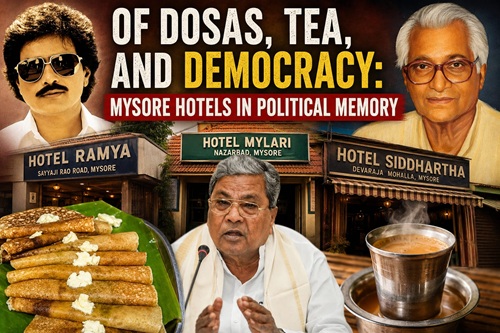
ಮೈಸೂರು: ಪ್ರತಿ ನಗರಕ್ಕೂ ತನ್ನದೇ ಆದ ಒಂದು ಸಂಸತ್ತು ಇರುತ್ತದೆ. ಕರ್ನಾಟಕದ ಅನೇಕ ಮಹತ್ವದ ರಾಜಕೀಯ ಚರ್ಚೆಗಳು ವಿಧಾನಸೌಧದ ಸಭಾಂಗಣಗಳಲ್ಲಿ ನಡೆದದ್ದಕ್ಕಿಂತಲೂ ಹೆಚ್ಚು, ಮೈಸೂರಿನ ಹೋಟೆಲ್ಗಳ ಮೇಜುಗಳ ಸುತ್ತ ನಡೆದಿವೆ. ಫಿಲ್ಟರ್ ಕಾಫಿಯ ಸುವಾಸನೆ, ಬಿಸಿ ಬಿಸಿ ಮಸಾಲೆ ದೋಸೆ ಮತ್ತು ಉಕ್ಕಿನ ಗ್ಲಾಸ್ನಲ್ಲಿನ ಚಹಾ ನಡುವೆ ನಡೆದ ಆ ಸಂಭಾಷಣೆಗಳು ರಾಜ್ಯದ ರಾಜಕೀಯ ದಿಕ್ಕನ್ನೇ ಬದಲಿಸಿದ ಸಂದರ್ಭಗಳಿವೆ.
ಒಂದು ಕಾಲದಲ್ಲಿ ಮೈಸೂರಿನ ಹೋಟೆಲ್ಗಳು ಕೇವಲ ಊಟದ ಸ್ಥಳಗಳಾಗಿರಲಿಲ್ಲ. ಅವು ರಾಜಕಾರಣಿಗಳ ಅನೌಪಚಾರಿಕ ಕಚೇರಿಗಳು, ತಂತ್ರ ರೂಪಿಸುವ ಕೇಂದ್ರಗಳು ಮತ್ತು ಆತ್ಮೀಯ ಸಂವಾದಗಳ ವೇದಿಕೆಗಳಾಗಿದ್ದವು. ಆ ಹೋಟೆಲ್ಗಳ ಮೇಜುಗಳು ರಾಜ್ಯದ ರಾಜಕೀಯ ಇತಿಹಾಸದ ಸಾಕ್ಷಿಗಳಾಗಿವೆ.

ಬಂಗಾರಪ್ಪ ಮತ್ತು ಹೋಟೆಲ್ ರಮ್ಯ :
ಮಾಜಿ ಮುಖ್ಯಮಂತ್ರಿ S. Bangarappa ಅವರ ರಾಜಕೀಯ ವ್ಯಕ್ತಿತ್ವದಂತೆ ಅವರ ಆಹಾರ ಅಭಿರುಚಿಯೂ ಸರಳವಾಗಿತ್ತು. ಮೈಸೂರಿಗೆ ಬಂದಾಗಲೆಲ್ಲಾ ಅವರ ವಾಹನ ಸಯ್ಯಾಜಿರಾವ್ ರಸ್ತೆಯ ಪ್ರಸಿದ್ಧ ಹೋಟೆಲ್ ರಮ್ಯದತ್ತ ತಿರುಗುತ್ತಿತ್ತು.
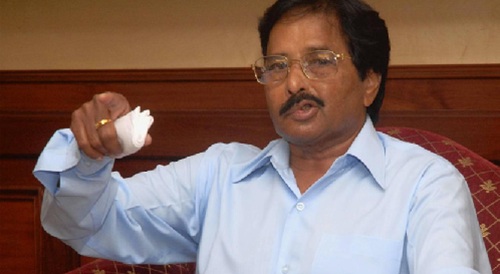
ಬೆಣ್ಣೆ ದೋಸೆ ಮತ್ತು ಚಟ್ನಿಯೊಂದಿಗೆ ಸಾಮಾನ್ಯ ಜನರ ನಡುವೆ ಕುಳಿತು ಊಟ ಮಾಡುವುದನ್ನು ಅವರು ಇಷ್ಟಪಡುತ್ತಿದ್ದರು. ವಿದ್ಯಾರ್ಥಿಗಳು, ವಕೀಲರು, ಕಾರ್ಮಿಕರು ಮತ್ತು ಕಾರ್ಯಕರ್ತರೊಂದಿಗೆ ಬೆರೆಯುತ್ತಾ ಜನರ ನಾಡಿಮಿಡಿತ ಅರಿಯುವ ಸ್ಥಳವಾಗಿ ರಮ್ಯ ಹೋಟೆಲ್ ಅವರಿಗೆ ಕೆಲಸ ಮಾಡುತ್ತಿತ್ತು. ಅವರ ಪಾಲಿಗೆ ದೋಸೆ ಕೇವಲ ಆಹಾರವಾಗಿರಲಿಲ್ಲ; ಅದು ಜನಸಂಪರ್ಕದ ಒಂದು ಸಾಧನವಾಗಿತ್ತು.
ಜಾರ್ಜ್ ಫರ್ನಾಂಡಿಸ್ ಮತ್ತು ಹೋಟೆಲ್ ಸಿದ್ಧಾರ್ಥ :
ಪ್ರಖ್ಯಾತ ಕಾರ್ಮಿಕ ನಾಯಕ ಹಾಗೂ ಮಾಜಿ ಕೇಂದ್ರ ಸಚಿವ George Fernandes ಅವರ ಮೈಸೂರಿನ ನೆಚ್ಚಿನ ತಾಣ ಹೋಟೆಲ್ ಸಿದ್ಧಾರ್ಥ. ಆದರೆ ಅವರು ಅಲ್ಲಿಗೆ ಊಟಕ್ಕಾಗಿ ಹೋಗುತ್ತಿರಲಿಲ್ಲ; ಒಂದು ಕಪ್ ಚಹಾಕ್ಕಾಗಿ ಹೋಗುತ್ತಿದ್ದರು.
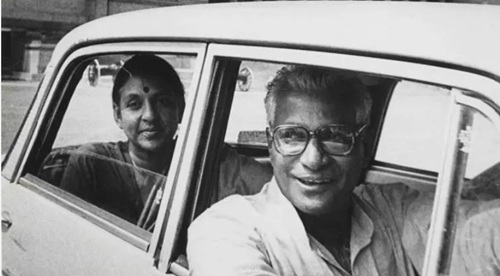
ಸರಳ ಉಡುಗೆ, ಕೈಯಲ್ಲಿ ಪತ್ರಿಕೆ ಅಥವಾ ಕಡತಗಳೊಂದಿಗೆ ಸದಾ ಚಟುವಟಿಕೆಯಿಂದಿರುವ ಫರ್ನಾಂಡಿಸ್ ಅವರಿಗೆ ಐಷಾರಾಮಿ ವಾತಾವರಣದ ಅಗತ್ಯವೇ ಇರಲಿಲ್ಲ. ಸಿದ್ಧಾರ್ಥದಲ್ಲಿ ನಿಂತುಕೊಂಡೇ ಚಹಾ ಕುಡಿಯುತ್ತಾ ಚರ್ಚೆ ನಡೆಸುವುದು ಅವರ ರೂಢಿಯಾಗಿತ್ತು. ಪತ್ರಕರ್ತರು, ವಿದ್ಯಾರ್ಥಿಗಳು ಮತ್ತು ರಾಜಕೀಯ ಸಹೋದ್ಯೋಗಿಗಳು ಅವರನ್ನು ಭೇಟಿ ಮಾಡುವ ಪ್ರಮುಖ ಸ್ಥಳವೂ ಇದೇ ಆಗಿತ್ತು. ಅವರ ರಾಜಕೀಯದಂತೆ ಅವರ ಚಹಾವೂ ಗಟ್ಟಿತನ ಹೊಂದಿತ್ತು.
ಸಿದ್ದರಾಮಯ್ಯ ಮತ್ತು ಮೈಲಾರಿ :
ಮೈಸೂರಿನ ಹೋಟೆಲ್ಗಳ ಬಗ್ಗೆ ಮಾತನಾಡುವಾಗ ಮೈಲಾರಿ ದೋಸೆಯನ್ನು ಪ್ರಸ್ತಾಪಿಸದೇ ಇರಲು ಸಾಧ್ಯವಿಲ್ಲ. ಮುಖ್ಯಮಂತ್ರಿ Siddaramaiah ಮತ್ತು ಮೈಲಾರಿ ದೋಸೆ ನಡುವಿನ ಸಂಬಂಧ ಮೈಸೂರಿನ ಜನರಿಗೆ ಪರಿಚಿತವಾಗಿದೆ.
ವಕೀಲರಾಗಿದ್ದ ಕಾಲದಿಂದಲೇ ಹಾಗೂ ಯುವ ಶಾಸಕರಾಗಿದ್ದ ದಿನಗಳಿಂದಲೇ ನಜರ್ಬಾದ್ನ ಮೈಲಾರಿ ಹೋಟೆಲ್ ಅವರ ನೆಚ್ಚಿನ ತಾಣವಾಗಿತ್ತು. ಬೆಣ್ಣೆಯಿಂದ ತುಳುಕುವ, ಮೃದುವಾದ ಮತ್ತು ಸ್ಪಾಂಜ್ನಂತಹ ದೋಸೆಯನ್ನು ಸಾಗಿನೊಂದಿಗೆ ಸವಿಯುವುದು ಅವರ ಮೆಚ್ಚಿನ ಅಭ್ಯಾಸ.
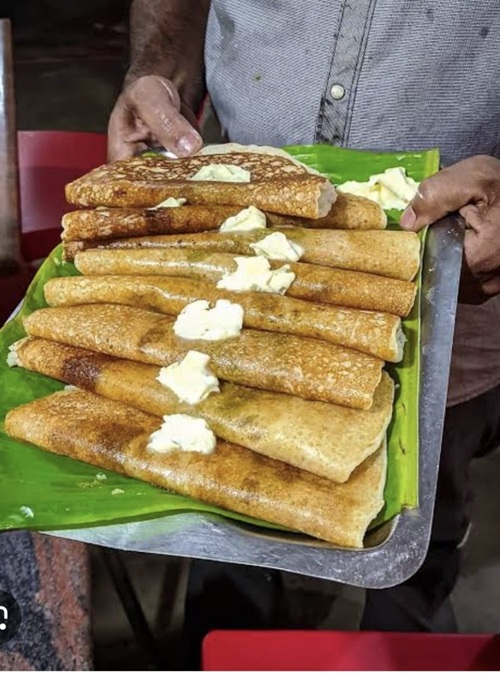
ಮುಖ್ಯಮಂತ್ರಿಯಾದ ನಂತರವೂ ಅವರು ಅವಕಾಶ ಸಿಕ್ಕಾಗ ಮೈಲಾರಿಗೆ ಭೇಟಿ ನೀಡುತ್ತಿದ್ದರು. ವಿಶೇಷ ವ್ಯವಸ್ಥೆಗಳನ್ನು ಬಯಸದ ಅವರು ಸಾಮಾನ್ಯ ಗ್ರಾಹಕರಂತೆ ಕಾಯುತ್ತಾ ದೋಸೆ ಸವಿಯುತ್ತಿದ್ದರು. ಅವರ ಪಾಲಿಗೆ ಮೈಲಾರಿ ಕೇವಲ ಒಂದು ಹೋಟೆಲ್ ಅಲ್ಲ; ಅದು ಅವರ ಊರು, ಅವರ ಬೇರುಗಳು ಮತ್ತು ಅವರ ಸರಳ ಬದುಕಿನ ಸಂಕೇತವಾಗಿತ್ತು.
ಈ ಹೋಟೆಲ್ಗಳು ಏಕೆ ವಿಶೇಷ?
ಈ ಕಥೆಗಳು ಕೇವಲ ದೋಸೆ ಮತ್ತು ಚಹಾದ ಬಗ್ಗೆ ಅಲ್ಲ. ಅವು ರಾಜಕೀಯ ನಾಯಕರ ವ್ಯಕ್ತಿತ್ವ ಮತ್ತು ಜನಸಾಮಾನ್ಯರೊಂದಿಗೆ ಅವರ ಬಾಂಧವ್ಯದ ಕಥೆಗಳಾಗಿವೆ.
ಬಂಗಾರಪ್ಪರ ರಮ್ಯ ಪ್ರೀತಿ ಜನಸಾಮಾನ್ಯರೊಂದಿಗೆ ಅವರ ನಂಟನ್ನು ಪ್ರತಿಬಿಂಬಿಸಿದರೆ, ಜಾರ್ಜ್ ಫರ್ನಾಂಡಿಸ್ ಅವರ ಸಿದ್ಧಾರ್ಥದ ಚಹಾ ಸರಳತೆ ಮತ್ತು ಸುಲಭ ಲಭ್ಯತೆಯನ್ನು ಪ್ರತಿನಿಧಿಸಿತು. ಸಿದ್ದರಾಮಯ್ಯರ ಮೈಲಾರಿ ಭೇಟಿ ತಮ್ಮ ಬೇರುಗಳನ್ನು ಮರೆಯದ ರಾಜಕಾರಣಿಯ ಚಿತ್ರಣವನ್ನು ನೀಡಿತು.
ಒಂದು ಕಾಲದಲ್ಲಿ ಮೈಸೂರಿನ ಹೋಟೆಲ್ಗಳು ಸಾಮಾಜಿಕ ಸಮಾನತೆಯ ವೇದಿಕೆಗಳಾಗಿದ್ದವು. ಸಚಿವರು, ಕಾರ್ಮಿಕರು, ವಿದ್ಯಾರ್ಥಿಗಳು ಮತ್ತು ಶಿಕ್ಷಕರು ಒಂದೇ ಸಾಲಿನಲ್ಲಿ ನಿಂತು ಊಟ ಮಾಡುತ್ತಿದ್ದರು. ಅಲ್ಲಿ ರಾಜಕೀಯ ಚರ್ಚೆಗಳು ನಡೆಯುತ್ತಿದ್ದವು, ಹೊಸ ಆಲೋಚನೆಗಳು ಹುಟ್ಟುತ್ತಿದ್ದವು ಮತ್ತು ಕೆಲವೊಮ್ಮೆ ರಾಜ್ಯದ ಭವಿಷ್ಯವನ್ನು ರೂಪಿಸುವ ನಿರ್ಧಾರಗಳ ಬೀಜಗಳು ಬಿತ್ತಲ್ಪಡುತ್ತಿದ್ದವು.
ಇಂದು ರಾಜಕೀಯ ಹೆಚ್ಚು ಭದ್ರತಾ ವಲಯಗಳ ನಡುವೆ ಸೀಮಿತಗೊಂಡಿದೆ. ನಾಯಕರಿಗೆ ಅನಿರೀಕ್ಷಿತವಾಗಿ ಹೋಟೆಲ್ಗೆ ತೆರಳಿ ದೋಸೆ ತಿನ್ನುವ ಅವಕಾಶಗಳು ಕಡಿಮೆಯಾಗಿವೆ. ಆದರೂ ರಮ್ಯದಲ್ಲಿ ಬಂಗಾರಪ್ಪ, ಸಿದ್ಧಾರ್ಥದಲ್ಲಿ ಜಾರ್ಜ್ ಫರ್ನಾಂಡಿಸ್ ಮತ್ತು ಮೈಲಾರಿಯಲ್ಲಿ ಸಿದ್ದರಾಮಯ್ಯರ ನೆನಪುಗಳು ಇನ್ನೂ ಮೈಸೂರಿನ ರಾಜಕೀಯ ಸಂಸ್ಕೃತಿಯ ಭಾಗವಾಗಿವೆ.
ಒಟ್ಟಿನಲ್ಲಿ, ಮೈಸೂರಿನ ಈ ಹೋಟೆಲ್ಗಳು ಕೇವಲ ಆಹಾರವನ್ನು ನೀಡಲಿಲ್ಲ; ಅವು ಕರ್ನಾಟಕದ ರಾಜಕೀಯ ಇತಿಹಾಸದ ಹಲವು ಅಧ್ಯಾಯಗಳಿಗೆ ವೇದಿಕೆಯಾಗಿದ್ದವು. ಪ್ರಜಾಪ್ರಭುತ್ವದ ಸುವಾಸನೆ ಕೆಲವೊಮ್ಮೆ ಬೆಣ್ಣೆ ದೋಸೆಯಲ್ಲೂ, ಗಟ್ಟಿ ಚಹಾದಲ್ಲೂ ಅಡಗಿರುತ್ತದೆ ಎಂಬುದನ್ನು ಅವು ನೆನಪಿಸುತ್ತವೆ.
- Pradeep M, Artist & Astrologer
Key words: Of Dosas, Tea, and Democracy, Mysore Hotels, Political Memory

SUMMARY:
Of Dosas, Tea, and Democracy: Mysore Hotels in Political Memory
Every city has its parliament, and in Karnataka, some of the most enduring debates never happened in Vidhana Soudha. They happened over filter coffee, steam rising from a plate of masala dosa, in the unpretentious halls of Mysore’s hotels.
For a generation of politicians, these hotels were not just places to eat. They were addas — part office, part war room, part confessional. The marble-topped tables remember strategies that shaped the state, and the waiters remember orders better than most secretaries remembered files.
Bangarappa and Hotel Ramya
- Bangarappa, the socialist firebrand who became Chief Minister, carried his Shimoga roots into everything. Power never sanded down his appetite for a crisp benne dosa. When in Mysore, his car would invariably turn towards Hotel Ramya on Sayyaji Rao Road.
Ramya was working-class elegance — quick service, hot tawa, ghee that left a mark on the plate and in memory. Bangarappa would sit among advocates and students, dosa folded, chutney on the side, listening as much as eating. For him, politics was retail, and Ramya was his shop floor. The dosa wasn’t just food; it was a way to stay connected to the pulse he claimed to represent.
George Fernandes and Hotel Siddhartha
George Fernandes, the trade unionist, railway minister, and eternal rebel, had a different ritual. His Mysore stop was Hotel Siddhartha, not for a meal but for tea.
Fernandes was a man in motion — kurta, rumpled, always carrying files or a newspaper. He didn’t trust luxury and didn’t need it. At Siddhartha, he’d take a simple cutting chai, often standing, often arguing. It was here that journalists caught him between trains, students caught him between movements, and colleagues caught him between ideologies. The tea was strong, sugarless often, like his politics.

Siddaramaiah and Hotel Mylari
If there’s one Mysore hotel that became shorthand for a politician’s palate, it’s Mylari. And Siddaramaiah is its most loyal patron.
Long before he was Chief Minister, when he was still an advocate and then a young MLA, Siddaramaiah would drive to Nazarbad for Mylari’s legendary dosa — soft, spongy, soaked in butter, served with saagu and not chutney. No fork, no fuss, eaten by hand on a steel plate. Even at the height of power, he’d make unannounced stops. The owner didn’t clear tables for him; he waited like everyone else.
For Siddaramaiah, Mylari wasn’t nostalgia — it was grounding. That dosa was Varuna, his village. It was proof that despite Delhi visits and cabinet meetings, he hadn’t lost the taste for what was simple, local, and unapologetically Mysorean. Locals still point to “Siddaramaiah’s table” in the corner, where decisions were chewed over as slowly as the dosa.
Why These Hotels Mattered
This wasn’t just about breakfast. These choices said something. Bangarappa’s dosa at Ramya was about rootedness. Fernandes’s tea at Siddhartha was about accessibility. Siddaramaiah’s ritual at Mylari was about authenticity — a leader measuring himself against the unchanged taste of his hometown.
Mysore’s hotels, with their board menus and steel tumblers, flattened hierarchy. A minister, a mill worker, and a college lecturer all waited for the same server. In that wait, alliances formed and dissent brewed. Many a cabinet decision was first tested not in a meeting hall, but as a hypothetical floated between the sambar and the second coffee.
Today, the cities are faster and politics is more insulated. Security details don’t allow impromptu dosa stops. Leaders meet in curated spaces, not canteens. But the memory of Bangarappa at Ramya, Fernandes at Siddhartha, and Siddaramaiah at Mylari lingers — a reminder that democracy, at its most alive, once smelled like ghee and tasted like strong tea.
Mysore’s hotels didn’t just serve food. They served the state.
- Pradeep M, Artist & Astrologer